News
10/29/25
Designing Process Windows That Don’t Waste Energy
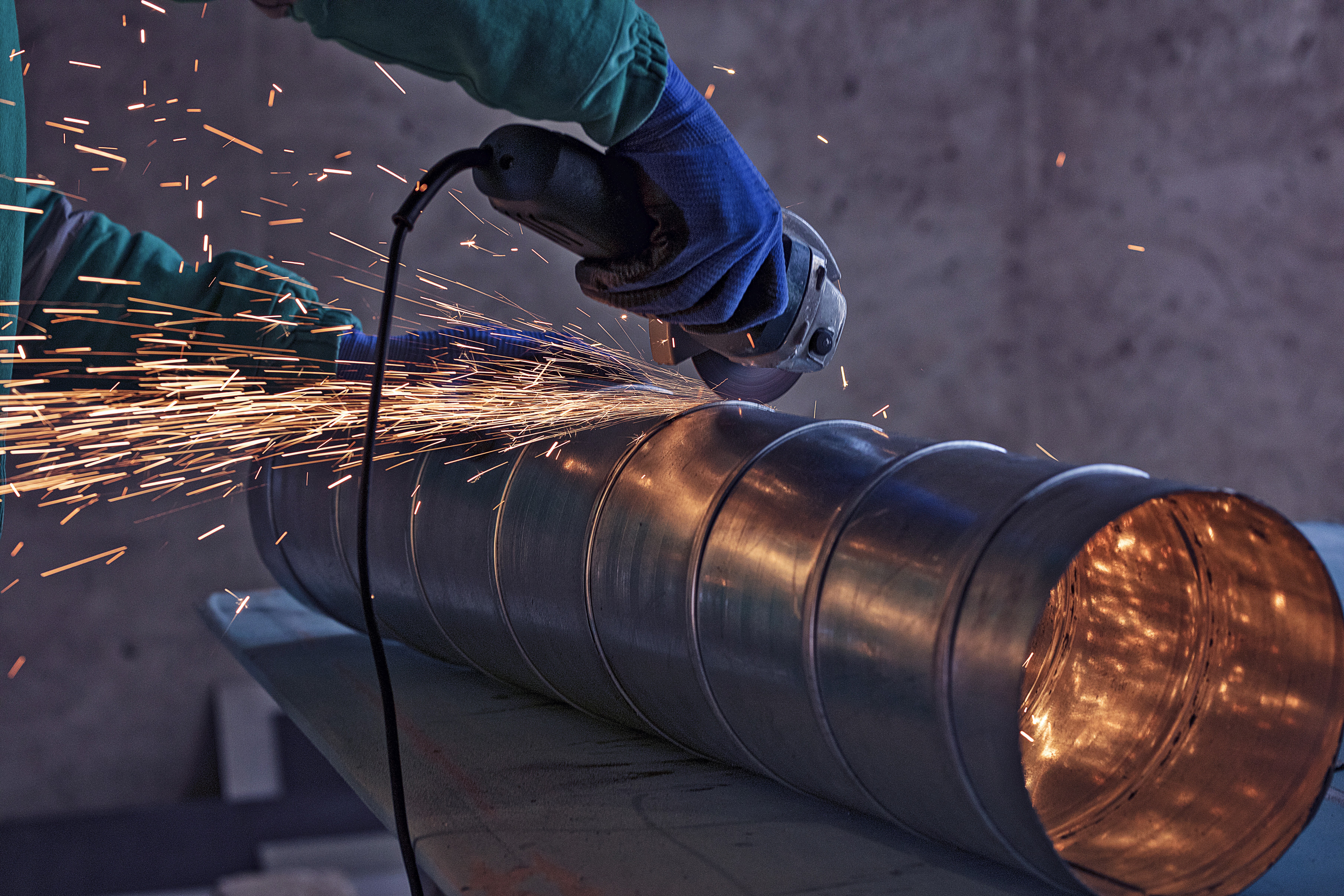
Most recipes are written to feel safe, not to be efficient. Extra hours in the furnace, conservative ramp rates, and redundant passes hide risk—but they also hide energy, time, and money that plants can’t afford to lose at scale.
Safety Margins or Hidden Waste?
Over‑processing usually starts with good intentions. Early in a program, teams stretch soak times, add extra steps, or widen tolerances just to make sure parts pass inspection. Those patches rarely get revisited once production stabilizes. Years later, the plant is still paying for decisions made under launch pressure—through higher energy bills, longer lead times, and overloaded equipment.
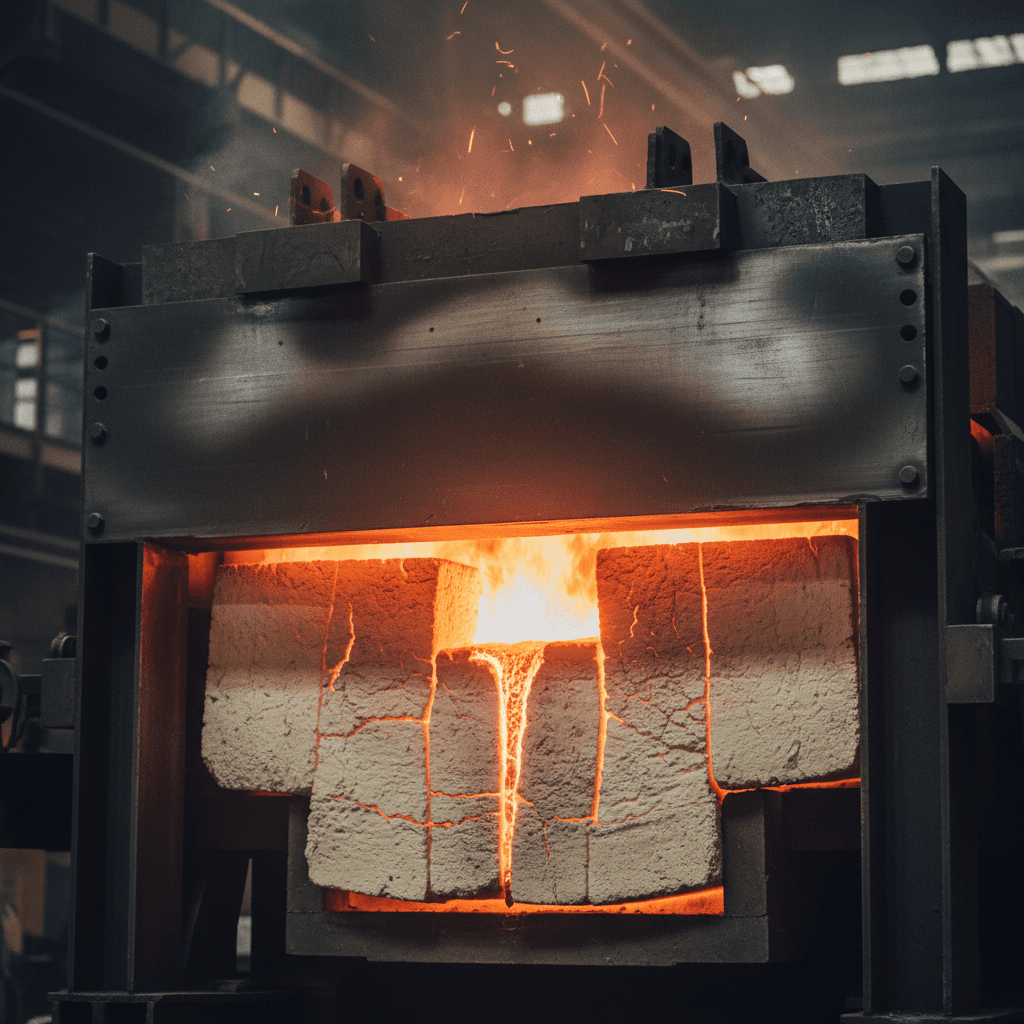
The problem is that the true process window is rarely mapped. Without a clear view of where a material actually needs time and temperature—and where it doesn’t—every change feels risky. Turning a knob down by ten percent becomes a negotiation instead of an evidence‑based adjustment. So lines stick with “what has always worked,” even if it’s quietly burning margin on every batch.
A better path is to use data to learn the real boundaries. By linking historical runs, quality results, and energy use, patterns emerge: certain combinations of temperature and time consistently hit microstructure and property targets, while others add cost without measurable benefit. Instead of guessing, teams can see which regions of the process map are both safe and efficient.
Once that map exists, optimization stops being a gamble. Recipes can be shortened, ramps can be tightened, and redundant passes can be removed one at a time, with the model predicting where risk actually begins. Plants don’t have to choose between safety and efficiency—they can keep the former while deliberately reclaiming the latter. Over time, that shift shows up everywhere: lower energy intensity, more throughput from the same assets, and a process window that was designed, not assumed.