News
11/8/25
What Other Industries Can Learn From Fab‑Level Yield Thinking
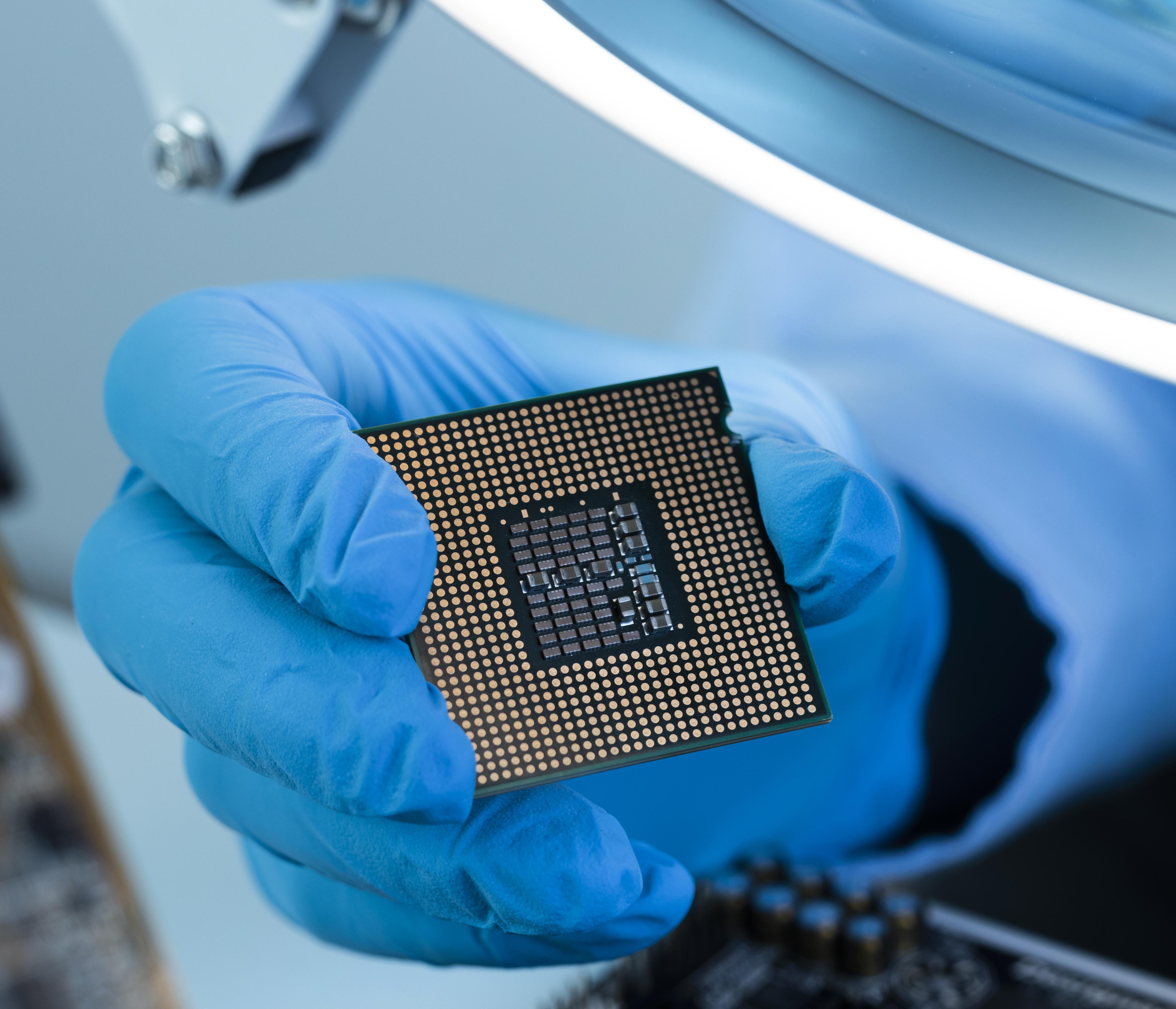
Semiconductor fabs treat a one‑percent yield gain like a moon landing. Every step is modeled, measured, and tied back to dollars. Most other materials plants still treat yield swings as a fact of life instead of a solvable engineering problem.
Yield as a Design Variable
In many industries, yield is reported, explained, and accepted. In fabs, it is engineered. Process routes are evaluated not just on whether they work, but on how reliably they work under variation. Lots are tracked through hundreds of steps, and each choice in the route has a measurable impact on final yield.

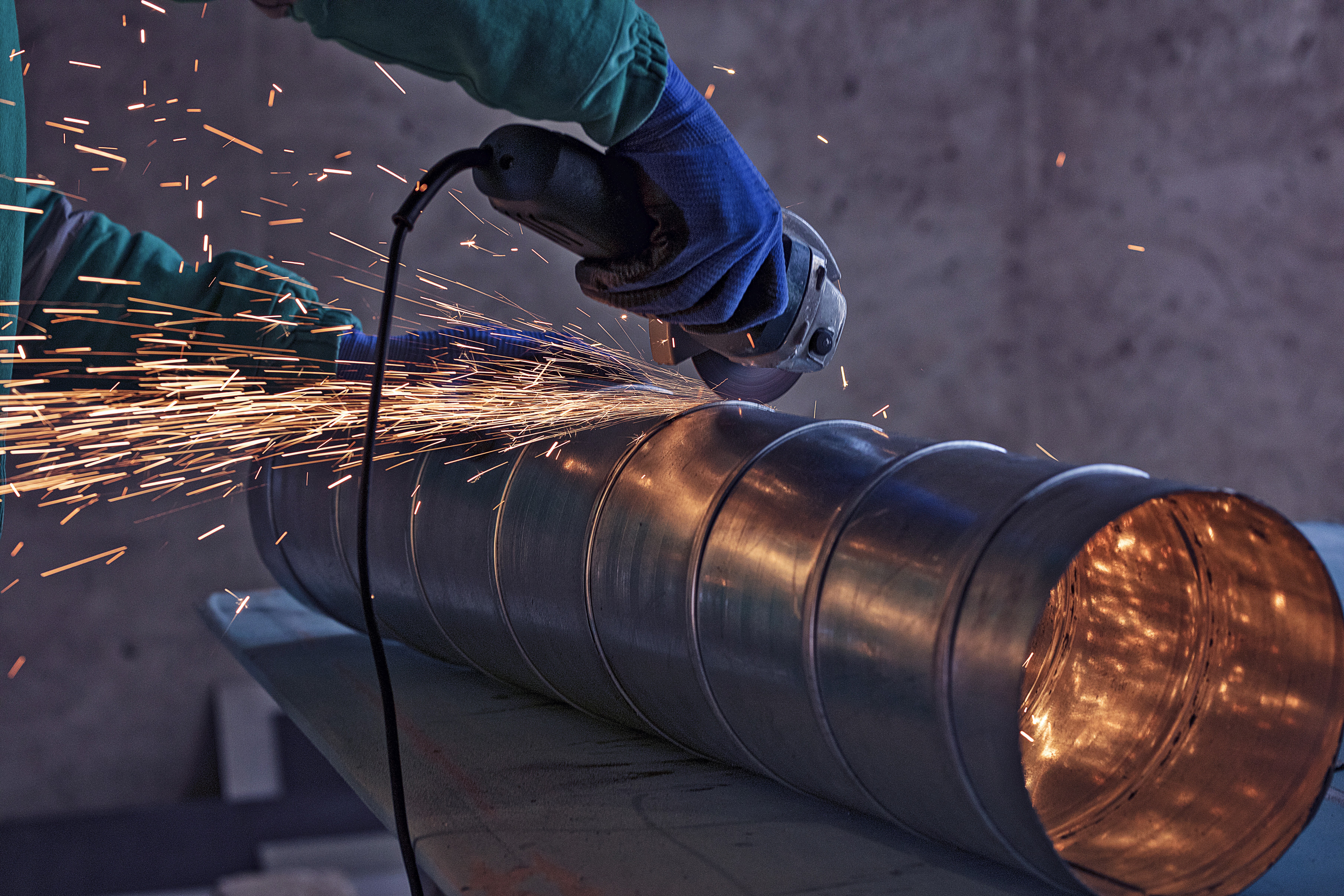
That mindset translates directly to batteries, metals, ceramics, and other materials. Instead of asking “did this route meet spec once,” the better question is “how often does this route meet spec when the real world happens.” Answering that requires connecting defects, rework, and performance back to the exact history of how a material was processed.
Once that connection is made, yield stops being a lagging KPI and becomes a lever. Routes that look similar on paper can be ranked by how tolerant they are to noise in feedstock, tool drift, or operator differences. Engineers can then choose recipes that may not be the flashiest on day one but win over time by failing less often.
Adopting fab‑style thinking doesn’t mean copying semiconductor tools; it means copying the discipline. Track what matters, link outcomes to process history, and let models surface which routes are truly robust. Plants that do this see yield gains the same way fabs do—incremental but compounding, and directly reflected in the bottom line.